Administer once daily in the morning, with or without food1
The recommended dosage of LOREEV XR is equal to the total daily dose of lorazepam tablets (at the previous 3-times-daily dosage).1
Sprinkle-dose option
Patients have the option to take LOREEV XR by opening the capsule and sprinkling the entire contents over a tablespoon of applesauce, followed by drinking water.1
LOREEV XR is indicated for the treatment of anxiety disorders in adults who are receiving stable, evenly divided, three times daily dosing with lorazepam tablets.
Contraindications
LOREEV XR is contraindicated in patients with:
Hypersensitivity to benzodiazepines or any ingredients in LOREEV XR
Acute narrow-angle glaucoma
Warnings and Precautions
Central Nervous System (CNS) Depression
LOREEV XR may produce CNS depression. Caution against engaging in hazardous occupations or activities requiring complete mental alertness.
Use alone and with other CNS depressants may lead to potentially fatal respiratory depression. Alcohol should be avoided, and other CNS depressants used with caution.
Patients with Depression or Psychosis
LOREEV XR is not recommended in patients with a primary depressive disorder or psychosis. Preexisting depression may emerge or worsen.
A possibility for suicide should be kept in mind in patients with depression. Benzodiazepines should not be used without adequate antidepressant therapy.
Risk of Paradoxical Reactions
Paradoxical reactions have occasionally been reported during benzodiazepine use and are more likely to occur in the elderly. If this occurs, discontinue LOREEV XR.
Allergic Reactions to FD&C Yellow No. 5 (Tartrazine)
LOREEV XR 1 mg capsules contain FD&C Yellow No. 5 (tartrazine), which may cause allergic-type reactions in certain individuals and is seen frequently in patients who also have aspirin hypersensitivity.
Neonatal Sedation and Withdrawal Syndrome
LOREEV XR use during later stages of pregnancy can result in sedation and/or withdrawal symptoms in the neonate. Monitor neonates during pregnancy and labor for signs of sedation and withdrawal.
Risk in Patients With Impaired Respiratory Function
Closely monitor patients taking LOREEV XR for impaired respiratory function, and consider discontinuing it if signs and symptoms of respiratory depression or apnea occur.
Laboratory Tests
Leukopenia and elevations of lactase dehydrogenase (LDH) have developed in patients receiving lorazepam tablets. Periodic blood counts and liver function tests are recommended during long-term therapy.
Adverse reactions
Most frequent adverse reactions in clinical trials were sedation (15.9%), dizziness (6.9%), weakness (4.2%), and unsteadiness (3.4%).
Drug interactions
Avoid initiation of UDP-glucuronosyltransferase (UGT) inhibitors. Dose reduction requires switching to lorazepam tablets for dose adjustment.
Use in specific populations
Because of the potential for serious adverse reactions, breastfeeding is not recommended during treatment with LOREEV XR.

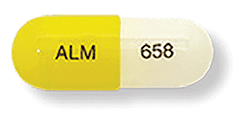 1 mg
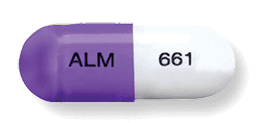 1.5 mg
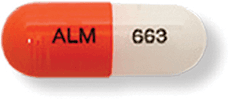 2 mg
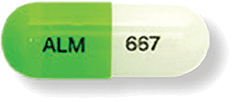 3 mg